
Student Voice, Evidence & Continuous Review

Clarity
Courage
Integrity
Stewardship
LISTEN. COMPARE. ACT. REVIEW.
A caring system must include the learner’s experience, not only adult intention.
Clarwyn listens to learners and families and draws on attendance, participation, support follow-up and portfolio conversations to understand how students are experiencing learning, belonging and care.
HOW STUDENT EXPERIENCE IS HEARD AND REVIEWED
- Age-appropriate student voice
- Relationship and belonging evidence
- Timely support follow-up
- School-wide improvement
- Transparent but private communication

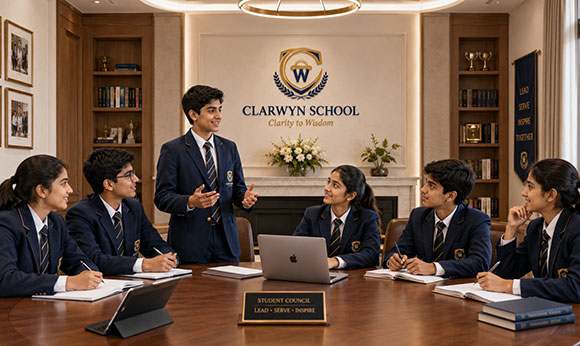
Age-appropriate student voice
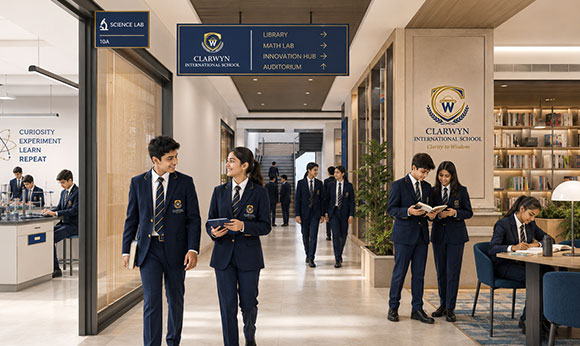
Relationship and belonging evidence

Timely support follow-up
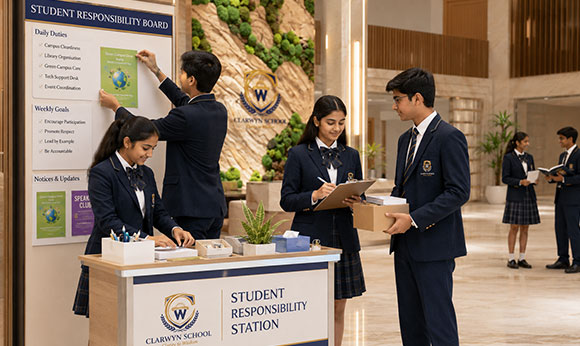
School-wide improvement
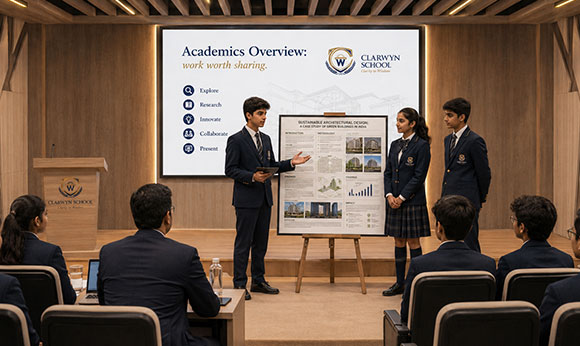
Transparent but private communication
THE LISTEN-COMPARE-ACT-REVIEW CYCLE
Four commitments for turning student evidence into accountable action
Hear directly from learners
Age-appropriate surveys, check-ins, conferences, circles and conversations ask whether learners feel connected, challenged, respected and able to seek help.
Compare perspectives
Adult mapping is compared with student experience; attendance, participation and work patterns are reviewed without treating any single indicator as a diagnosis.
Act on what is heard
When a gap is identified, the school agrees the next action, communicates appropriately and reviews the outcome.
Improve the school experience
When feedback reveals a wider pattern, the school reviews routines, support, learning experiences and communication across the relevant areas.
WHAT THE EVIDENCE CAN – AND CANNOT – SHOW
Responsible interpretation, privacy and aggregate reporting
What evidence can show
Whether learners know their goals, respond to feedback, feel a trusted adult relationship, participate meaningfully and understand support routes.
What evidence cannot prove alone
A survey score, attendance count or completed meeting does not by itself prove wellbeing, quality or impact.
Sharing school-wide learning
Clarwyn may share broad, non-identifying insights about school improvement while keeping individual support and relationship information private.
RESEARCH & PRACTICE PARTNERSHIP
Making Caring Common
In partnership with Making Caring Common, a project of the Harvard Graduate School of Education, through the Caring Schools Network.
Making Caring Common resources strengthen Caring Community Learning, Mentor Circle, Adult-to-Student Relationship Mapping, student voice and the continuous review of Every Child Known.
The partnership supports Clarwyn’s own approach to care, belonging and trusted relationships across the school.

WHAT RESPONSIVE REVIEW SHOULD FEEL LIKE
A real route to be heard, visible follow-through and system changes when needed
A genuine route to be heard
Adults who explain what happened after feedback
Support reviewed for effect, not only activity
School-wide changes when patterns show a need